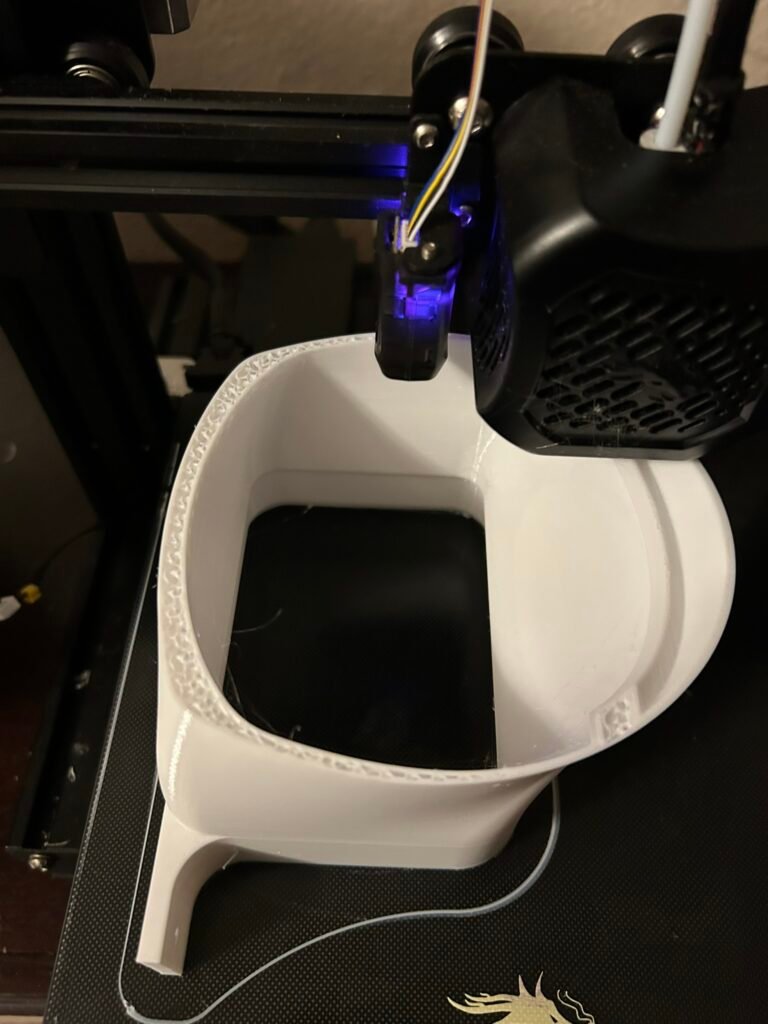
Introduction to Radon Mitigation Systems
Radon mitigation systems are essential for reducing radon levels in homes and buildings, protecting occupants from the harmful effects of this radioactive gas. These systems typically involve ventilation and air pressure regulation to prevent radon accumulation.
Understanding the components of radon mitigation systems is crucial for homeowners. Key elements include fans, pipes, and the materials used to connect these components. Innovations in these parts can significantly enhance the system's effectiveness and efficiency.
Benefits of 3D Printing in Radon Mitigation
3D printing technology offers numerous advantages in the production of custom parts for radon mitigation systems. This process allows for precise designs that can be tailored to specific needs, improving both functionality and aesthetics.
With 3D printing, parts can be produced on-demand, reducing waste and lowering costs. Additionally, the ability to create complex shapes and integrate multiple functions into a single component leads to more efficient systems that blend seamlessly with home exteriors.
Innovative Custom Parts for Enhanced Performance
Custom parts developed through 3D printing can significantly enhance the performance of radon mitigation systems. Features such as built-in condensate drains and smooth transitions between different pipe shapes minimize energy loss and improve airflow.
For example, the integration of anchor points directly into the design of the parts can simplify installation, making it easier for contractors to set up effective radon mitigation systems. These innovations not only improve system performance but also contribute to a more visually appealing installation.
Future Trends in Radon Mitigation Technology
The future of radon mitigation technology is poised for exciting advancements, particularly with the continued integration of 3D printing. As more companies explore custom solutions, we can expect to see even more efficient and aesthetically pleasing designs.
Emerging trends include the use of sustainable materials in 3D printing and the development of smart radon mitigation systems that can monitor radon levels in real-time. Such innovations will enhance safety and provide homeowners with peace of mind regarding their indoor air quality.