Understanding Radon: What Homeowners Need to Know
Radon is a colorless, odorless gas that occurs naturally from the breakdown of uranium in soil and rock. Homeowners should understand that radon can accumulate in homes, especially in lower levels such as basements, posing serious health risks if not addressed.
Testing for radon is essential, as it is the only way to determine if levels are elevated in a home. The U.S. Environmental Protection Agency (EPA) recommends testing all homes below the third floor, as radon levels can vary significantly from one property to another. Regular monitoring and testing can help ensure a safe living environment.
Common Myths About Radon Exposure
There are several misconceptions surrounding radon exposure that can lead to unnecessary fear or negligence. One common myth is that radon is only a concern in certain geographic areas, but in reality, it can be found in homes across the country, regardless of location.
Another myth is that building codes ensure homes are safe from radon. While some codes may address radon mitigation, many homes are built without specific radon-resistant features. It's important for homeowners to take proactive measures, including testing and mitigation, to safeguard their health.
Radon Testing Methods: A Comprehensive Guide
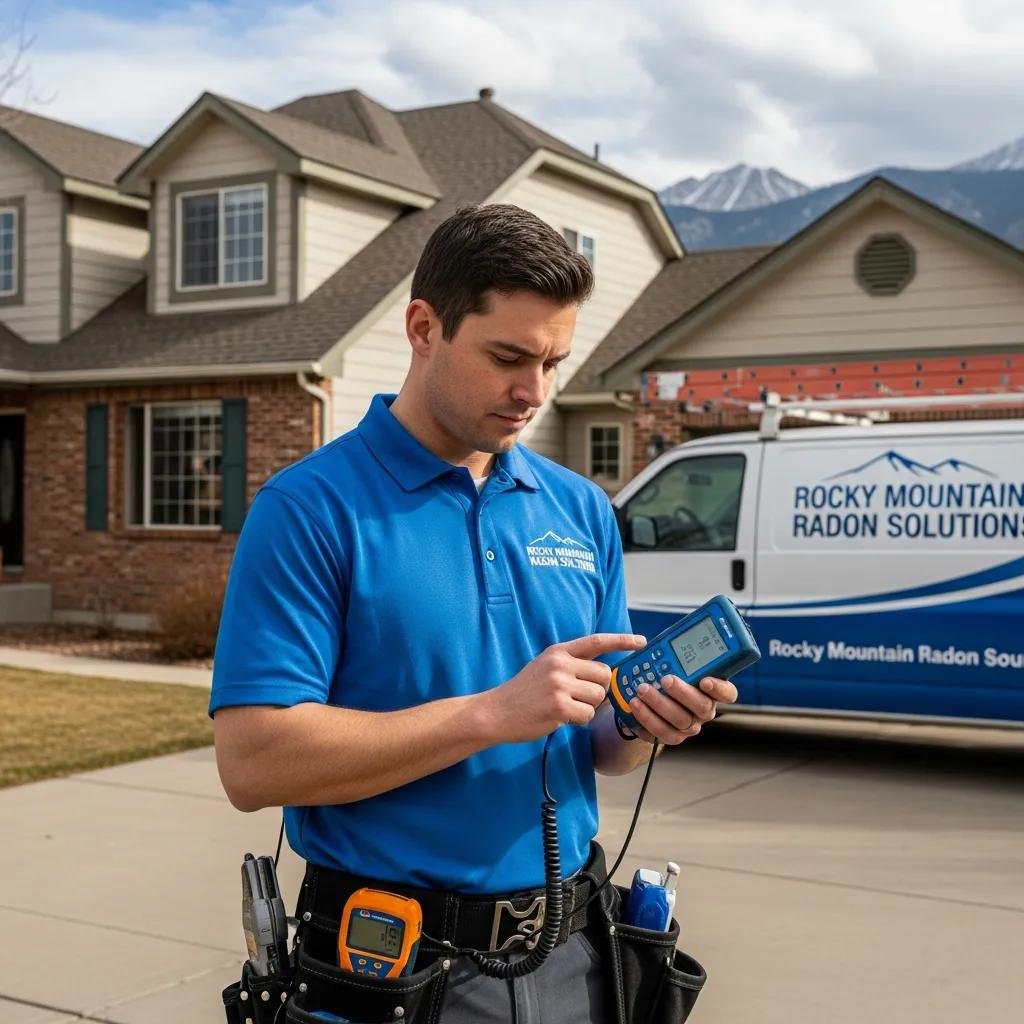
There are two main types of radon testing: short-term and long-term tests. Short-term tests can provide quick results, typically within a few days, making them ideal for immediate assessments. Long-term tests, on the other hand, measure radon levels over a period of 90 days or more, offering a more accurate depiction of average radon levels in a home.
Homeowners can purchase radon test kits online or through local hardware stores, or they can hire a professional to conduct the testing. Understanding these methods allows homeowners to make informed decisions regarding their radon safety.
Mitigation Techniques: Ensuring a Safe Home
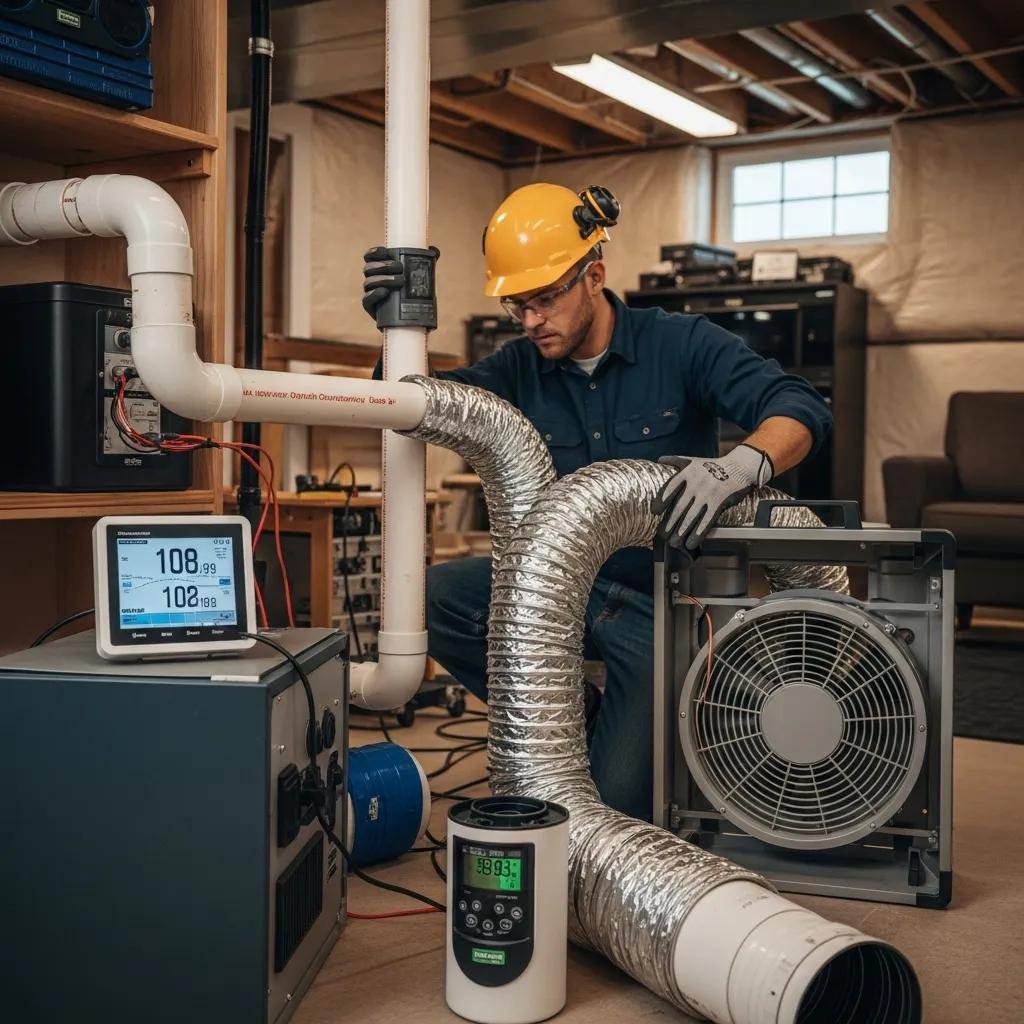
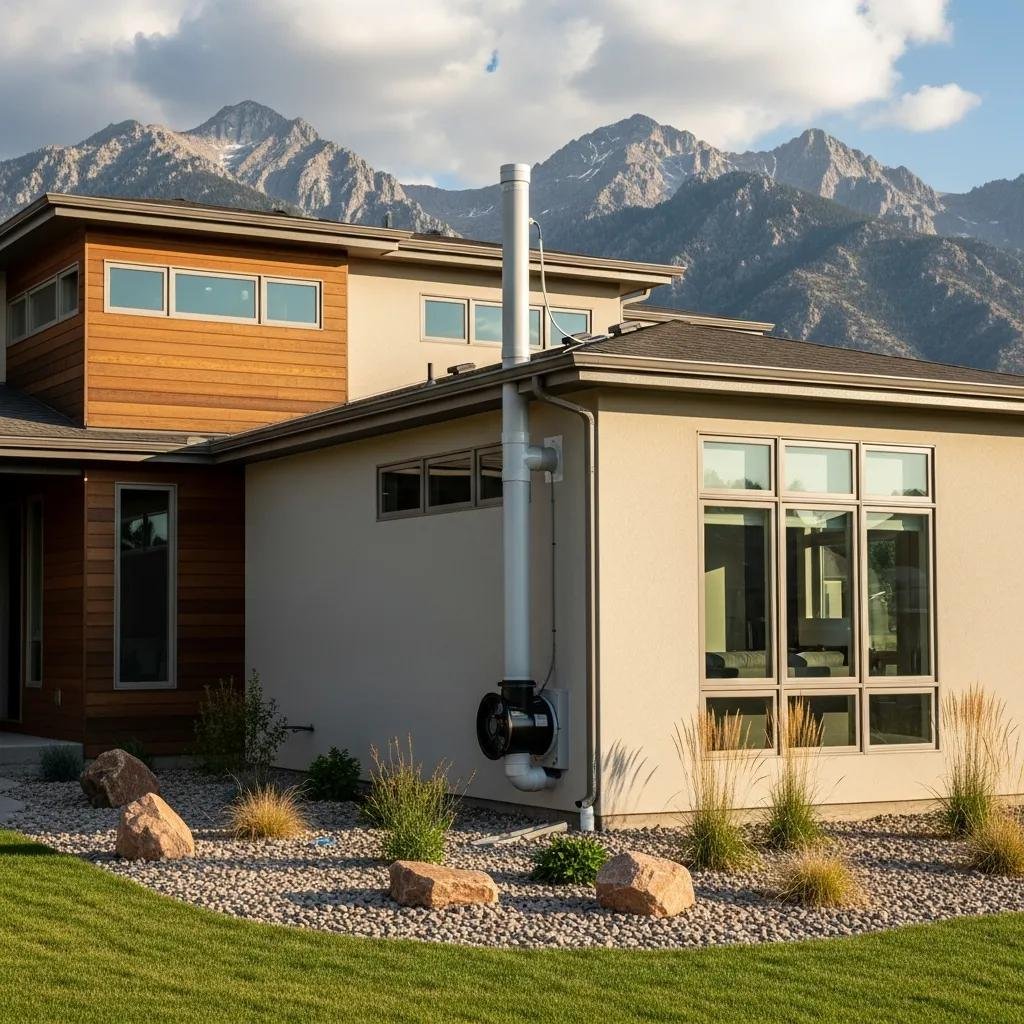
Radon mitigation techniques are essential for reducing radon levels in homes. The most common method is active soil depressurization, which involves installing a vent pipe system and fan to pull radon from beneath the house and vent it outside. This technique is effective in most homes and can significantly lower radon levels.
Other methods include sealing cracks in floors and walls and improving ventilation. Homeowners should consult with radon mitigation professionals to determine the best approach for their specific situation, ensuring a comprehensive solution to radon exposure.